
First published: June 17, 2026 at 08:07 AM
Last update: June 17, 2026 at 08:05 PM
Issue
Issue for June 17, 2026
This is the stable daily issue page at `/digest/2026-06-17/`: all updates for the day are collected in one feed with a verification log.
Last update: June 17, 2026 at 08:05 PMCards: 7Stories: 1
Fresh issue
June 17, 2026
The June 17 issue is updated with evening stories: after the Mrdic-laws dispute, VST scheduled a June 18 extraordinary session on assigning prosecutors to TOK, while Novi Sad students announced a large June 20 protest at the turbo roundabout. The feed also keeps the midday and morning local stories: the Novi Sad na vodi planning-session move to June 30, reopening of the 25. maj pools, the Ada Ciganlija overpass relocation to Autokomanda, and BVK's lower-water-pressure warning.
News feed
Issue cards
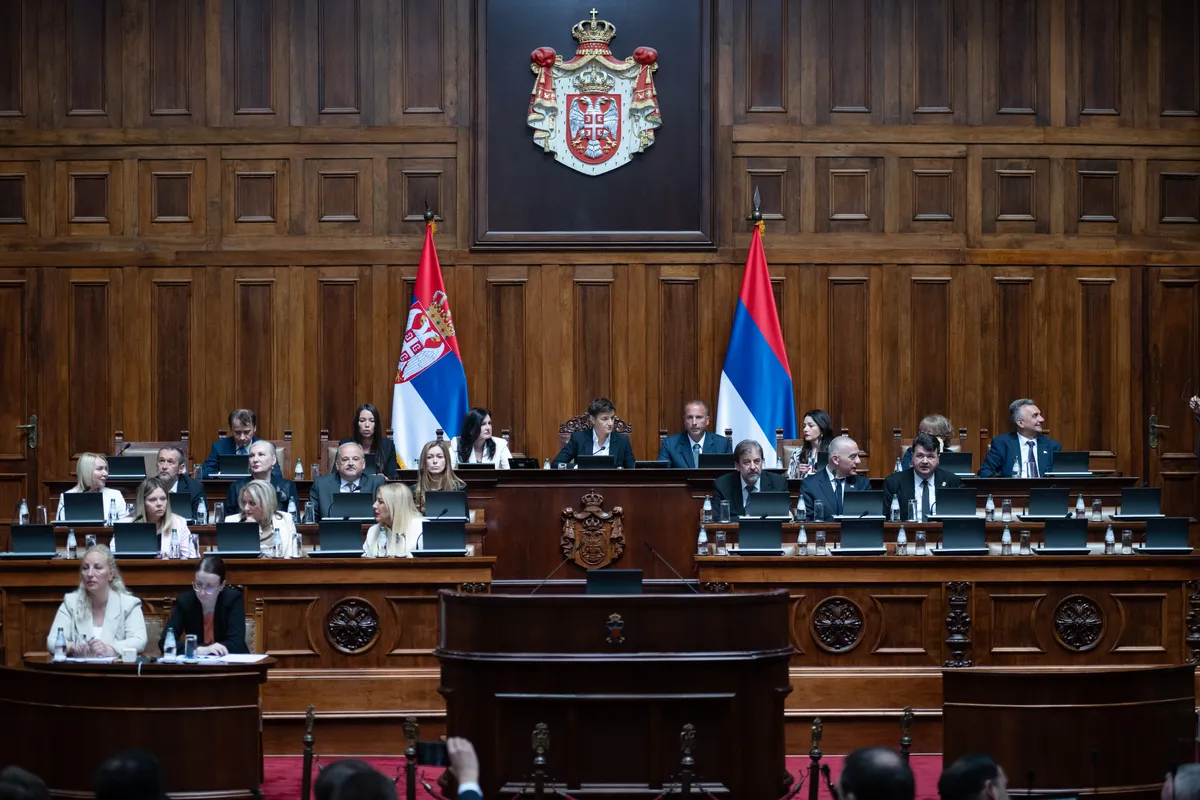
On June 17, Serbia's parliament opened an extraordinary session with 32 agenda items, including amendments to five judicial laws previously criticized by the Venice Commission. N1 reports that the Commission's follow-up opinion found seven of nine recommendations implemented, while two key lines remain unresolved.
Context: Serbia and EU accession
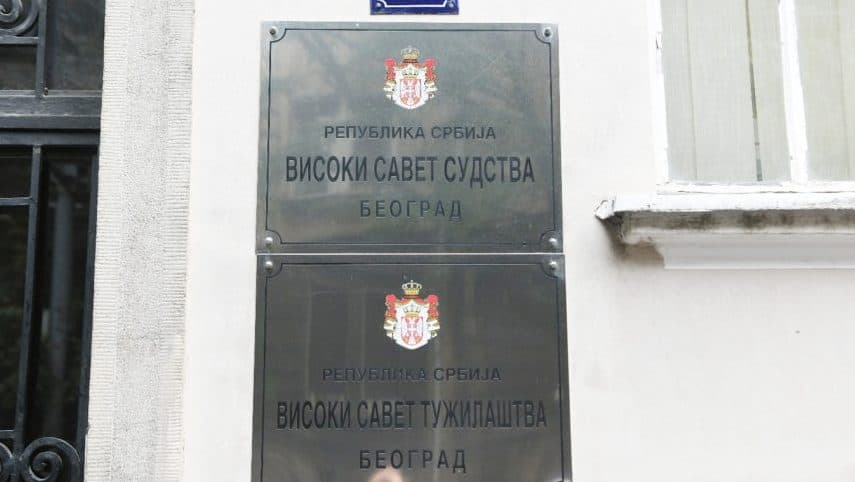
N1 and Danas report that an extraordinary session of the High Prosecutorial Council is scheduled for June 18, with temporary assignment of public prosecutors to the Organized Crime Prosecutor's Office among the proposed agenda items. The issue is directly tied to the Venice Commission's follow-up opinion on the Mrdic laws, which singled out the fact that not all prosecutors had been returned to TOK as unresolved.
Context: Serbia and EU accession
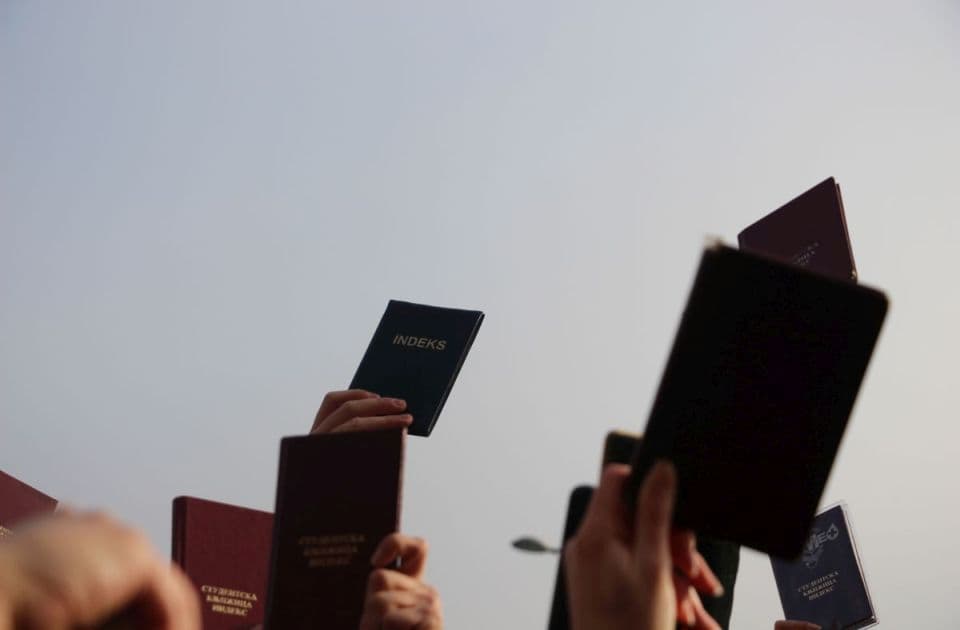
021 reports that students blockading Novi Sad faculties are calling a large protest on June 20 at the turbo roundabout, at the junction of Fruskogorska and Bulevar cara Lazara. Stands will be set up around 14:30, the main program begins at 17:30, and the announced focus is distrust in institutions, police, media freedom, and electoral conditions.
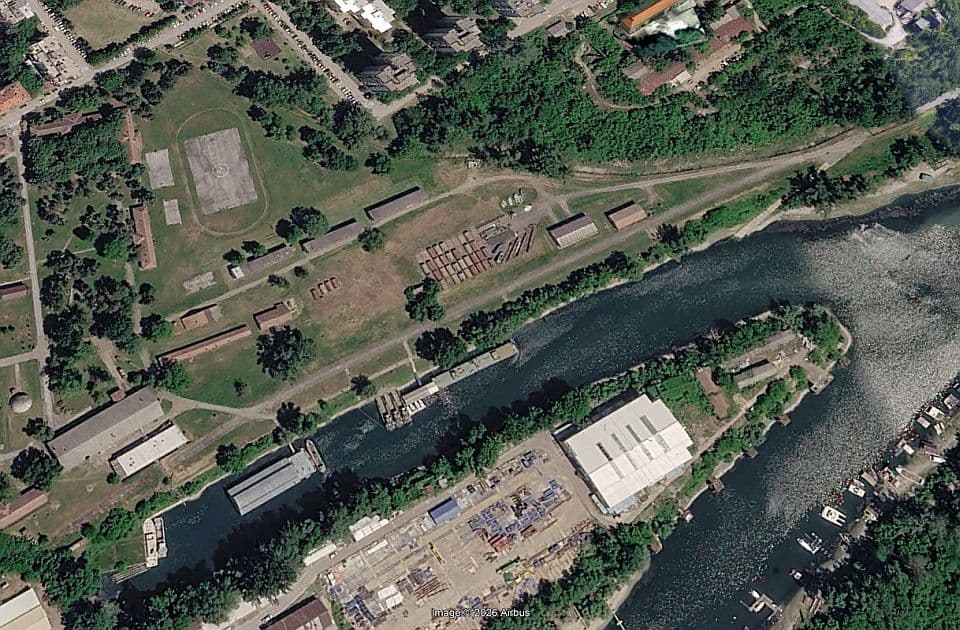
021 reports that the Planning Commission session that was to consider the plan along Bulevar despota Stefana has been moved from June 18 to June 30 at 09:00 because of a large number of objections. According to the outlet, several thousand objections were filed, while the project envisions housing and business buildings, including P+8 and P+14 heights, a 150 million euro investment, and more than 7,500 future residents.
Belgrade's city pools opened on June 17, including the outdoor pools at SRC 25. maj - Milan Gale Muskatirovic. The 25. maj schedule is 10:00-19:00 on weekdays and from 09:00 on weekends; an adult day ticket costs 750 dinars, a ticket for children aged four to 10 costs 350 dinars, and free entry for Belgrade residents with the city pool card applies from 12:00 until closing.
Belgrade's construction-land directorate has launched a procurement for dismantling, transporting, and reinstalling the pedestrian overpass from Ada Ciganlija at Autokomanda. The 41.2-meter structure is meant to connect public-transport stops at Autokomanda with the Beograd Jug station.
BVK warned that because of Elektrodistribucija Srbije works and power interruptions at water-system facilities, residents on upper floors in Novi Beograd, Zemun, and Surcin may experience lower water pressure on June 17 from 08:30 to 22:00. The city service center number 11011 is listed for information.
Context
Long-running stories with updates
Stories
Serbia and EU accession
This story tracks Serbia's EU talks, the rule of law, media issues and foreign-policy alignment. In July, at least five EU states opposed opening Cluster 3, the European Commission flagged problems in justice, anti-corruption policy and journalist safety, and Serbia aligned with two of six new EU foreign-policy decisions.
- On July 29, the EU said Serbia aligned with decisions on Lebanon and Sudan but not with four restrictive-measures decisions linked to Russia, cyberattacks and serious human-rights abuses. The other Western Balkan candidates aligned with all four.
- Serbia has not opened new negotiation chapters since December 2021. In July, at least five EU states opposed opening Cluster 3; no new decision to open the cluster has been made.
- The European Commission's July 17 report flags political pressure on courts and prosecutors, an unimplemented part of the anti-corruption plan, problems with REM and worsening journalist safety.
- Four independent REM Council members decided to take up work, but the ninth seat remains vacant. The first vote for chair ended 4-4, so the Council's leadership has not yet been elected.
- Parliament adopted a package of five judicial laws on June 25. The Venice Commission's follow-up opinion found seven of nine recommendations implemented, but the return of two TOK prosecutors and the autonomy of the cybercrime unit were not fully resolved.
- The next checkable milestones are EU-state consensus on Cluster 3, completion and leadership of the REM Council, and resolution of the remaining judicial-reform concerns.
Timeline
How the story developed
Serbia last opened new EU negotiation chapters in December 2021; that fact again became part of the dispute around Cluster 3.
Parliament adopted amendments to five judicial laws on MP Ugljesa Mrdic's proposal; professional groups and the EU later criticized them as a risk to prosecutorial autonomy and judicial independence.
The Venice Commission published an urgent opinion on the January amendments and issued seven key recommendations to address the shortcomings.
The Justice Ministry sent improved working drafts of the judicial-law amendments to parliament for transmission to Venice Commission rapporteurs.
Ana Brnabic said the Venice Commission gave a positive opinion on the package, that the amendments would go to parliament next week, and that she expects Cluster 3 to open soon.
The Venice Commission published its follow-up opinion: Serbia implemented seven of nine recommendations, but two key areas - the return of two organized-crime prosecutors and autonomy for the cybercrime unit - are not fully implemented.
Parliament put amendments to five judicial laws on an extraordinary session agenda, including laws on public prosecution, judges, the High Prosecutorial Council, court and prosecutor territories, and bodies for fighting high-tech crime.
VST decided to assign Irena Bjelos, Aleksandar Barac, and Boris Majlat to TOK for three years; the decision for Bjelos and Barac passed with nine votes in favor and one abstention, while Majlat's passed with eight in favor, one against, and one abstention.
Platforma za evropsku Srbiju informed EU institutions of allegedly different judicial-law texts for the Venice Commission and parliament; the Justice Ministry rejected the claims of differences.
At the extraordinary session on 32 agenda items, parliament debated 37 amendments to the key judicial laws in the Mrdic package. N1 reports that opposition amendments were rejected; the sitting ended at about 18:00 and is scheduled to continue on June 24 at 10:00.
Parliament finished detailed debate on all 32 items of the extraordinary session; voting, including on the judicial-law package, is scheduled for June 25 at 10:00.
Parliament adopted a package of five judicial laws, and the government formed a negotiating team for Serbia's inclusion in the EU 'Roam Like at Home' regime.
Dubravka Valić Nedeljković said four elected REM Council members whose resignations were not verified by parliament are ready to return only with guarantees: the ninth member should be chosen after national-council elections, and Ištvan Bodžoni should not be on the candidate harmonization list.
RFE/RL/N1/Danas reported that the Netherlands officially opposes opening Cluster 3 with Serbia, while diplomatic sources say at least five EU states oppose it, including three Baltic states and Sweden.
Four independent REM Council members said they decided to take up work after parliament adopted an authentic interpretation of the Electronic Media Law; their earlier resignation statements were interpreted as having no independent legal effect because they had not taken office.
The European Parliament's official X account posted its position on the rule of law, democratic standards, free and fair elections, and normalization of relations with Kosovo. The post was not a new negotiating decision.
European Parliament rapporteur Tonino Picula told N1 that the preparation, conduct, and aftermath of future elections would be an important criterion in assessing Brussels' relations with Belgrade. He also judged opening Cluster 3 unlikely; this is his assessment, not a new EU decision.
The European Commission published Serbia's chapter in its annual Rule of Law Report. It cites political pressure on courts and prosecutors, problems with implementing the anti-corruption plan, REM, and journalist safety; it is not a decision to open a negotiation cluster.