
First published: July 15, 2026 at 11:00 AM
Last update: July 15, 2026 at 12:09 PM
Issue
Issue for July 15, 2026
This is the stable daily issue page at `/digest/2026-07-15/`: all updates for the day are collected in one feed with a verification log.
Last update: July 15, 2026 at 12:09 PMCards: 4Stories: 1
Fresh issue
July 15, 2026
July 15: Tonino Picula called future elections a criterion for Brussels-Belgrade relations, Srbijavoz raised fares by about 10%, Belgrade suspended its scooter-rental tender, and two Autokomanda lanes toward New Belgrade are closed through September 21.
- 11:00 AM
The July 15 edition was created while confirmed news and practical city notices are being gathered.
- 11:07 AM
Four cards were added: Tonino Picula’s assessment of future elections in EU-Serbia relations, Srbijavoz fare increases, the suspended city scooter-rental tender, and two closed lanes at Autokomanda.
- 12:09 PM
Editorial review clarified the closed-lane names at Autokomanda, the approximate nature of the Srbijavoz fare increase and the card's editorial status; a non-practical resident-impact block was removed from the Picula card.
News feed
Issue cards
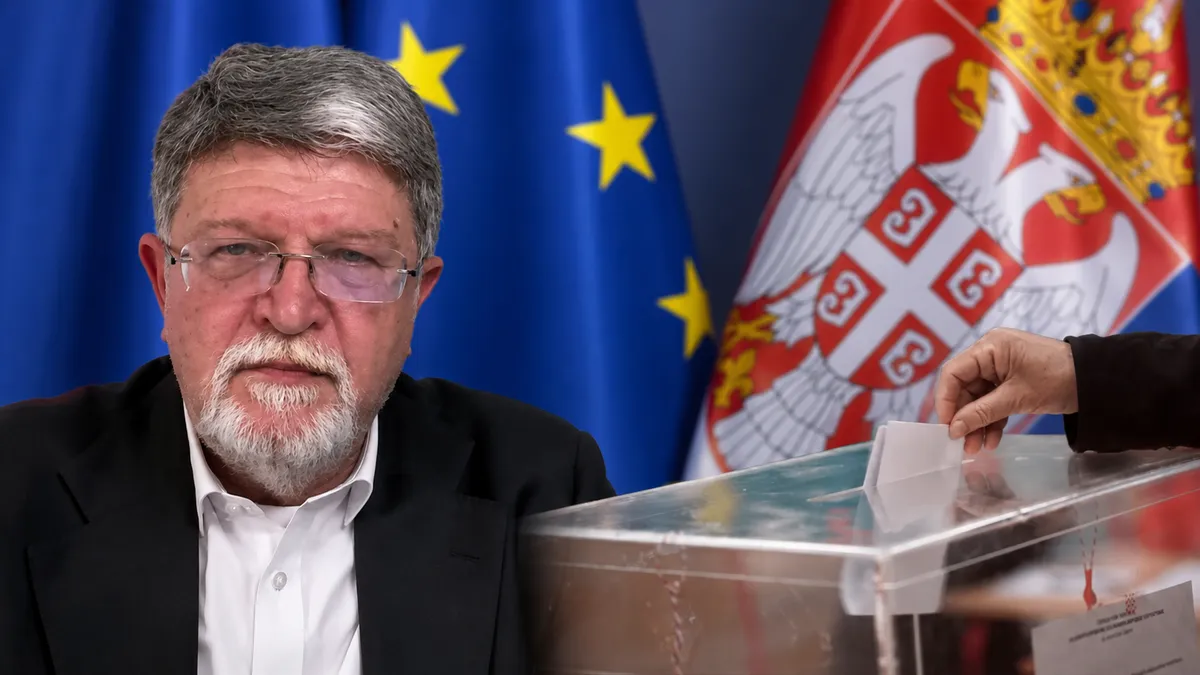
European Parliament rapporteur for Serbia Tonino Picula told N1 that the preparation, conduct, and aftermath of future elections will be an important criterion in assessing Brussels' relations with Belgrade. He also linked the lack of progress to a low likelihood of opening Cluster 3; this is an MEP's assessment, not a new EU institutional decision.
Context: Serbia and EU accession
N1
N1: Picula calls future elections a criterion for Brussels
(Picula: Budući izbori će biti bitan kriterijum kada se bude ocenjivao odnos Brisela prema Beogradu)
N1 carried an interview with Tonino Picula: he considers the preparation, conduct, and aftermath of future elections key to the future EU-Serbia dynamic. Picula also said that, in his view, Serbia has made no progress on its European path for five years and is unlikely to open Cluster 3; he noted REM's incomplete functionality in the context of ODIHR requirements.
Read sourceSrbijavoz has raised single and subscription ticket prices on domestic routes by about 10%. Annual tickets, seat reservations, baggage, and bicycle transport did not increase; the company also retained a RSD 500 charge for boarding without a pre-purchased ticket where a ticket office or machine is available.
Danas
Danas: Srbijavoz domestic tickets are more expensive
(Poskupele karte za voz: "Srbijavoz" objavio za šta cene ostaju iste)
Danas carried a Srbijavoz announcement saying domestic single, seven-day, half-month, and monthly tickets are about 10% more expensive from July 15. The outlet notes that annual tickets, seat reservations, baggage, and bicycles are not increasing; named routes include Belgrade-Novi Sad, Belgrade-Subotica, Belgrade-Nis, Belgrade-Uzice, Belgrade-Valjevo, and Belgrade-Vrsac.
Read source
The City of Belgrade has suspended a tender to select an operator for e-scooter and e-bike rentals. The Transport Secretariat said the tender had been announced because of an internal communication error; the plan envisaged 2,000 scooters, 600 e-bikes, and 238 stations over five years.
N1
N1: Belgrade stopped the scooter-rental tender
(Obustavljen konkurs za električne trotinete u Beogradu, raspisan zbog "greške u komunikaciji")
N1 carried a City Transport Secretariat statement saying the tender was suspended because it had been announced due to an internal communication error. The secretariat said it opposes uncontrolled scooter rental; the original plan was for 2,000 scooters, 600 e-bikes, and 238 stations in three phases.
Read source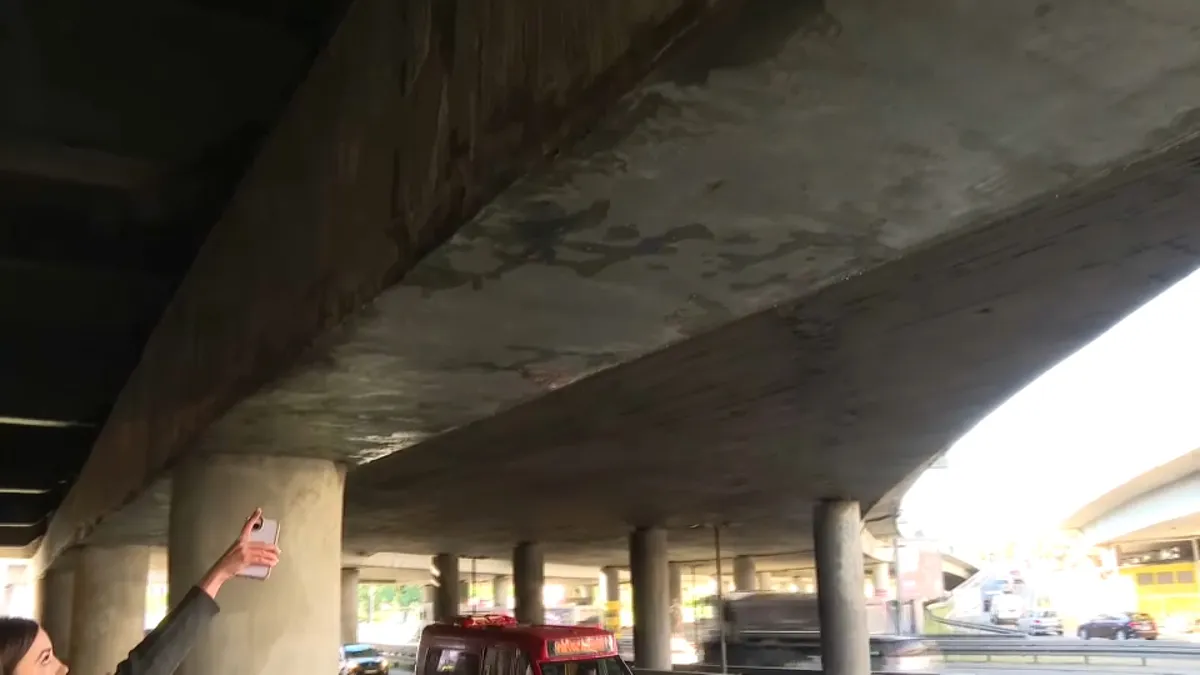
Because of overpass works in the Autokomanda interchange zone, the driving and far-right lanes toward New Belgrade are closed. Traffic in that direction uses the overtaking lane and the overtaking lane of the opposite carriageway; works are planned to finish on September 21.
N1
N1: two Autokomanda lanes are closed through September 21
(Zbog radova na nadvožnjaku na Autokomandi zatvorene dve trake ka Novom Beogradu, rok za završetak - 21. septembar)
N1 carried a Putevi Srbije notice on works at the Autokomanda overpass: the driving and far-right lanes toward New Belgrade are closed. The Nis-Belgrade flow uses the overtaking lane and the opposite carriageway's overtaking lane, and the planned completion date is September 21.
Read sourceContext
Long-running stories with updates
Stories
Serbia and EU accession
This story tracks Serbia's EU talks, rule-of-law requirements, judicial reforms, media issues, and foreign-policy conditions. In July, at least five EU states do not support opening Cluster 3, four independent members decided to take up work in the REM Council, and the European Parliament again stressed the rule of law, fair elections, and normalization of relations with Kosovo.
- Serbia has not opened new EU accession negotiation chapters since December 2021.
- In January 2026, parliament adopted amendments to five judicial laws on MP Ugljesa Mrdic's proposal, drawing criticism from parts of the professional community and the EU over prosecutorial autonomy and judicial independence.
- On April 24, the Venice Commission published an urgent opinion identifying shortcomings and seven key recommendations for removing them.
- On May 18, the Justice Ministry sent improved working drafts of the amendments to parliament for transmission to Venice Commission rapporteurs.
- On June 12, Ana Brnabic said the Venice Commission had given a positive opinion, that the package would go to parliament next week, and that the government expects Cluster 3 to open soon.
- The follow-up opinion published on June 16 clarified the status: seven of nine recommendations were implemented, but the return of two of 11 organized-crime prosecutors and the autonomy of the cybercrime unit remain unresolved.
- On June 17, Serbia's parliament opened an extraordinary session with amendments to five judicial laws on the agenda, moving the Venice Commission recommendations dispute from expert review into parliamentary procedure.
- On the evening of June 17, N1 and Danas reported that the High Prosecutorial Council scheduled a June 18 extraordinary session with temporary assignment of public prosecutors to TOK among the proposed agenda items; this addresses one unresolved Venice Commission remark.
- On June 18, VST decided to assign Irena Bjelos, Aleksandar Barac, and Boris Majlat to TOK for three years; Bjelos and Barac return from June 19, while Danas separately carried the Judicial Authority Union's criticism that temporary assignment of prosecutors as a mechanism is not in line with European standards.
- On June 21, SSP, SRCE, PSG, and Solidarnost told EU institutions that, according to them, the Venice Commission and parliament received different texts of the judicial-law amendments; the Justice Ministry denies this and says the parliamentary version differs only because it is in Serbian.
- On June 23, parliament continued its extraordinary session on 32 agenda items and debated 37 amendments to the key judicial laws in the Mrdic package; N1 reports that opposition amendments were rejected. The sitting ended at about 18:00 and is scheduled to continue on June 24 at 10:00. Justice Minister Nenad Vujic again says the proposals are aligned with the Venice Commission and the EU, while opposition MPs also tie the session to questions about EXPO and the 'sound cannon' case.
- On June 24, parliament finished detailed debate on all 32 items of the extraordinary session; Ana Brnabic scheduled voting for June 25 at 10:00. The judicial-law package remains among the items, while the final debate block concerned state guarantees for Srbijagas and Srbijavoz loans.
- On June 25, parliament adopted a package of five judicial laws: amendments to laws on public prosecution, judges, the High Prosecutorial Council, court and prosecutor territories, and bodies for fighting high-tech crime.
- The same day, the government formed a negotiating team for talks with the European Commission on including Serbia in the EU's 'Roam Like at Home' regime, which relates to integration into the EU single digital market.
- On June 26, N1 and Danas carried Dubravka Valić Nedeljković's statement: four elected REM Council members who had resigned are ready to return only with guarantees over the ninth member and the candidate list; the parliamentary committee concluded there are no legal obstacles to their return because parliament did not verify the resignations.
- On July 3, N1 and Danas, citing RFE/RL, reported that the Netherlands officially does not support opening Cluster 3 and that at least five EU states oppose it in total; reasons include rule of law and Serbia's refusal to join sanctions against Russia.
- On July 11, four independent REM Council members — Dubravka Valić Nedeljković, Ira Prodanov Krajišnik, Mileva Malešić, and Rodoljub Šabić — said they would take up work after parliament adopted an authentic interpretation of the Electronic Media Law. The ninth member from the national-minority category remains unresolved.
- On July 12, the European Parliament's official X account posted a position linking Serbia's progress toward EU membership to rule-of-law reforms and stronger democratic standards; it also cited free and fair elections and normalization of relations with Kosovo. No new decision on negotiations or opening a cluster was made.
- On July 15, European Parliament rapporteur Tonino Picula told N1 that the preparation, conduct, and aftermath of future elections would be an important criterion in assessing Brussels' relations with Belgrade. This is an MEP's assessment, not a new EU decision on negotiations.
Timeline
How the story developed
Serbia last opened new EU negotiation chapters in December 2021; that fact again became part of the dispute around Cluster 3.
Parliament adopted amendments to five judicial laws on MP Ugljesa Mrdic's proposal; professional groups and the EU later criticized them as a risk to prosecutorial autonomy and judicial independence.
The Venice Commission published an urgent opinion on the January amendments and issued seven key recommendations to address the shortcomings.
The Justice Ministry sent improved working drafts of the judicial-law amendments to parliament for transmission to Venice Commission rapporteurs.
Ana Brnabic said the Venice Commission gave a positive opinion on the package, that the amendments would go to parliament next week, and that she expects Cluster 3 to open soon.
The Venice Commission published its follow-up opinion: Serbia implemented seven of nine recommendations, but two key areas - the return of two organized-crime prosecutors and autonomy for the cybercrime unit - are not fully implemented.
Parliament put amendments to five judicial laws on an extraordinary session agenda, including laws on public prosecution, judges, the High Prosecutorial Council, court and prosecutor territories, and bodies for fighting high-tech crime.
VST decided to assign Irena Bjelos, Aleksandar Barac, and Boris Majlat to TOK for three years; the decision for Bjelos and Barac passed with nine votes in favor and one abstention, while Majlat's passed with eight in favor, one against, and one abstention.
Platforma za evropsku Srbiju informed EU institutions of allegedly different judicial-law texts for the Venice Commission and parliament; the Justice Ministry rejected the claims of differences.
At the extraordinary session on 32 agenda items, parliament debated 37 amendments to the key judicial laws in the Mrdic package. N1 reports that opposition amendments were rejected; the sitting ended at about 18:00 and is scheduled to continue on June 24 at 10:00.
Parliament finished detailed debate on all 32 items of the extraordinary session; voting, including on the judicial-law package, is scheduled for June 25 at 10:00.
Parliament adopted a package of five judicial laws, and the government formed a negotiating team for Serbia's inclusion in the EU 'Roam Like at Home' regime.
Dubravka Valić Nedeljković said four elected REM Council members whose resignations were not verified by parliament are ready to return only with guarantees: the ninth member should be chosen after national-council elections, and Ištvan Bodžoni should not be on the candidate harmonization list.
RFE/RL/N1/Danas reported that the Netherlands officially opposes opening Cluster 3 with Serbia, while diplomatic sources say at least five EU states oppose it, including three Baltic states and Sweden.
Four independent REM Council members said they decided to take up work after parliament adopted an authentic interpretation of the Electronic Media Law; their earlier resignation statements were interpreted as having no independent legal effect because they had not taken office.
The European Parliament's official X account posted its position on the rule of law, democratic standards, free and fair elections, and normalization of relations with Kosovo. The post was not a new negotiating decision.
European Parliament rapporteur Tonino Picula told N1 that the preparation, conduct, and aftermath of future elections would be an important criterion in assessing Brussels' relations with Belgrade. He also judged opening Cluster 3 unlikely; this is his assessment, not a new EU decision.
This is the latest published issue.