
First published: June 30, 2026 at 08:08 AM
Last update: June 30, 2026 at 11:07 AM
Issue
Issue for June 30, 2026
This is the stable daily issue page at `/digest/2026-06-30/`: all updates for the day are collected in one feed with a verification log.
Last update: June 30, 2026 at 11:07 AMCards: 5Stories: 1
Fresh issue
June 30, 2026
June 30 issue: extreme heat up to 40 C, Zemun parking changes from July 6, the OFAC-license deadline for NIS, university state-funded places, and new rules for assessing unfair trade practices.
- 08:08 AM
Created the daily issue for 2026-06-30. Add cards as the source check progresses.
- 08:09 AM
Added cards on heat up to 40 C, fire risk and the coming weather change, the July 1 OFAC-license deadline for NIS, and the expected July 2 government decision on state-funded university places; checked the baseline national sources, Google Trends, and Belgrade/Novi Sad local service sources.
- 11:07 AM
Added cards on part of Zemun parking moving from the blue to the green zone from July 6 and on the Competition Commission guidance on unfair trade practices; checked N1, Danas, Kurir, Novosti, Google Trends, KZK, and city service sources, while the official Parking servis search did not show a separate fresh Zemun notice.
News feed
Issue cards

On June 30, RHMZ and national media warn of June's last extremely hot day: Serbia is expected to see 36-40 C, Belgrade around 38 C, and the long dry spell raises outdoor fire risk. Temperatures should fall to 32-35 C on Wednesday and below 30 C in many places from Thursday, but the transition may bring downpours, strong or storm-force wind, and hail, first in the north and west and then across the rest of Serbia.
N1
Tropical temperatures on June's last day: up to 40 C
(Tropske temperature poslednjeg junskog dana: Do 40 stepeni, ekstremno povoljni uslovi za požare)
N1 relays the RHMZ forecast: on June 30 Serbia will be sunny and very hot, with highs of 36-40 C and Belgrade around 38 C. Tomorrow should bring 32-35 C, and from Thursday many places should fall below 30 C. Because of the long dry period and high temperatures, conditions for outdoor fires starting and spreading will be extremely favorable, especially where soil-moisture deficits are greatest and there has been no recent rain. On Wednesday evening and overnight into Thursday in the north and west, and on Thursday in the rest of Serbia, downpours, strong or storm-force wind, and hail are possible.
Read sourceNovosti
RHMZ issues an important warning: dangerously high temperatures and when cooling arrives
(RHMZ IZDAO VAŽNO UPOZORENJE: Opasno visoke temperature biće do ovog datuma, evo kad stiže rashlađenje)
Novosti writes that RHMZ is maintaining a warning for very high temperatures: today 36-40 C, tomorrow 32-35 C, and from Thursday below 30 C in most places. For Belgrade it lists around 38 C today, around 34 C tomorrow, and below 30 C on Thursday. The outlet also relays warnings of possible heavy short-duration rain, storm wind, and hail during the weather change, as well as low navigation levels on parts of the Danube, Sava, and Tisa.
Read sourceKurir
Temperatures fall by 15 degrees: what early July may look like
(Tačno ovog datuma temperatura pada za 15 stepeni)
Kurir, citing meteorologist Djordje Djuric, writes that after today's and tomorrow's heat a cooling period begins: storms, hail, and wind are possible during the transition, and in the first ten days of July temperatures should mostly stay below 30 C. The article also explains the urban heat-island effect: Belgrade has already had around ten tropical nights above 20 C since the start of June, so residents are advised to drink water and avoid sun during the hottest hours.
Read source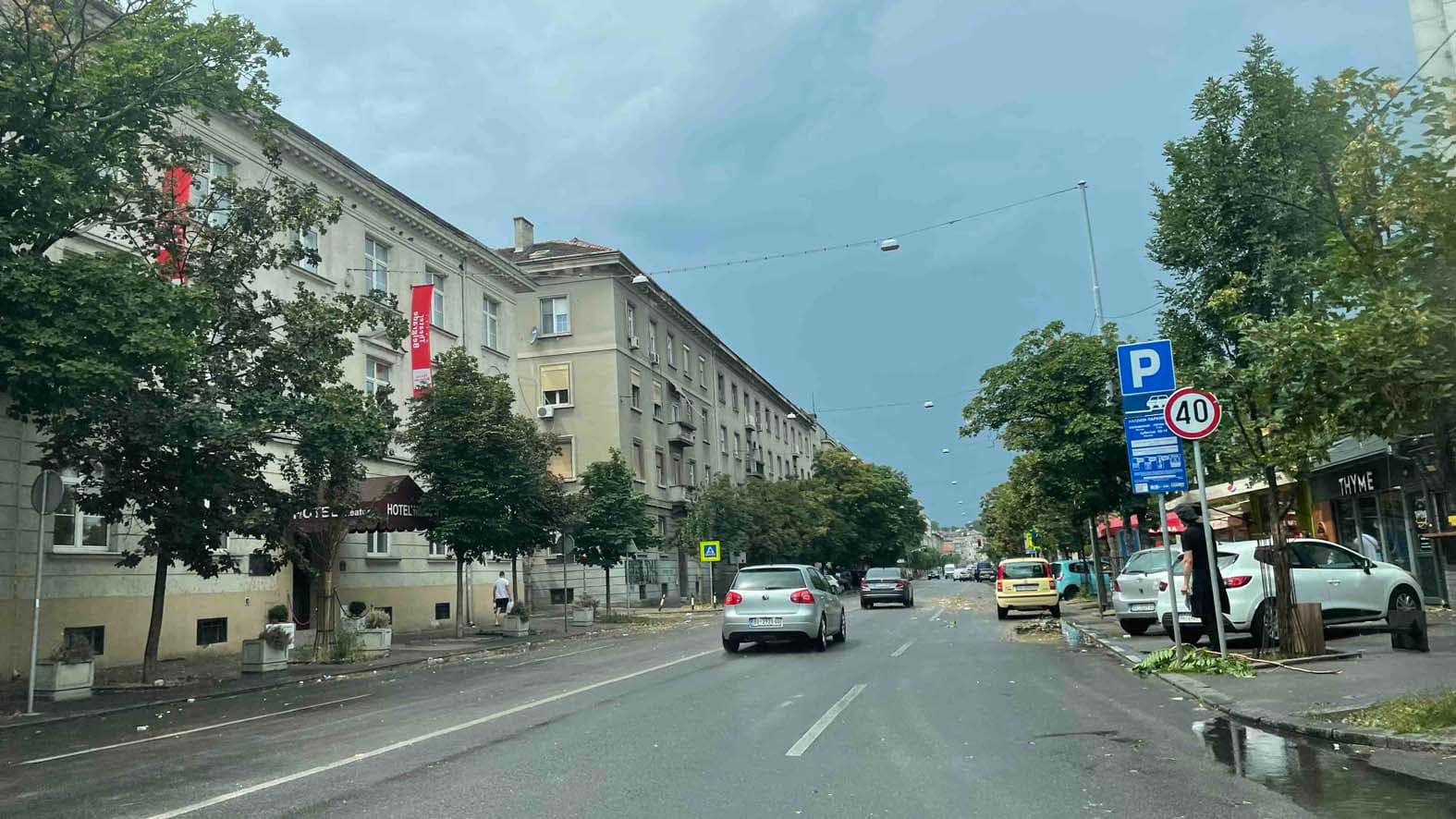
From Monday, July 6, parking rules change in part of Zemun: spaces that were in the blue zone without a time limit move to the green zone. That means a three-hour limit, 55 dinars per hour, one additional 60-minute extension for 160 dinars, enforcement on weekdays from 7:00 to 21:00 and Saturdays from 7:00 to 14:00; resident permits priced at 500 dinars and already issued permits remain valid.
N1
Parking-system changes in Zemun from Monday, July 6
(Promene sistema parkiranja u Zemunu, od ponedeljka, 6. jula)
N1 writes on June 30 that from Monday, July 6, the parking system in Zemun changes: the existing blue zone at some locations will be replaced by the green zone. The article says some spaces move from an unlimited-time regime to a limited-time regime, but does not list the streets in detail.
Read sourceDanas
New parking rules in Zemun from July 6
(Od 6. jula nova pravila parkiranja u Zemunu)
Danas, citing Beta, writes that from July 6 spaces that were in the blue zone will enter the green zone. Parking will be limited to a maximum of three hours; one hour costs 55 dinars, with a further 60-minute extension priced at 160 dinars. Enforcement and payment will run on weekdays from 7:00 to 21:00 and Saturdays from 7:00 to 14:00. Residents will still be able to use preferential permits priced at 500 dinars, and existing permits remain valid.
Read sourceNovosti
Notice for residents: Zemun parking-zone change from a set date
(OBAVEŠTNJE ZA GRAĐANE: Promena parking zona u Zemunu tačno od ovog datuma)
Novosti wrote on June 29 that the Secretariat for Transport changed parking rules in Belgrade's Zemun municipality: the blue zone moves to the green zone from July 6, and enforcement/payment hours also change. The outlet frames it as a practical notice for residents and drivers.
Read source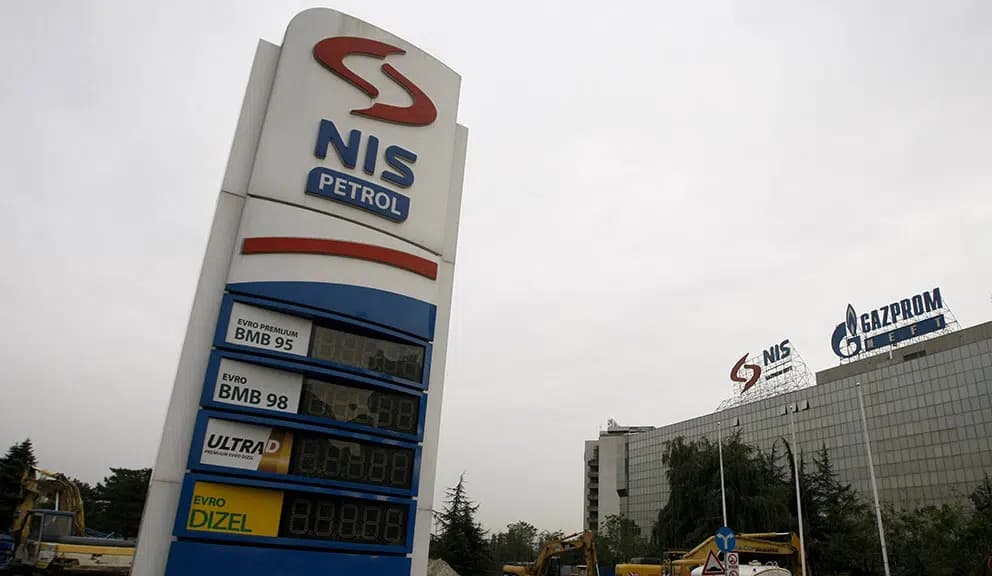
Danas writes that both key OFAC licenses for NIS expire on July 1: the operating license that allows crude imports via JANAF and the license for talks on changing the Russian stake between Gazprom Neft and MOL. The paper's sources split on the risk: one says sanctions and exclusion from SWIFT are closer than ever, while another expects another delay because Washington does not want an energy crisis in Serbia. According to Danas, NIS filed a new request several days before the deadline.
Context: NIS and sanctions
Danas
NIS faces another US decision this week
(„Mač sankcija bliži nego ikad“: NIS ove nedelje pred još jednom američkom odlukom)
Danas writes that on Wednesday, July 1, NIS's operating license for importing oil via JANAF and a separate license extending Gazprom Neft-MOL talks on the Russian stake both expire. One Danas source believes sanctions and NIS exclusion from SWIFT are closer than ever, while another expects another OFAC delay to avoid an energy crisis. The paper says NIS filed a new request several days ago. Danas also cites Dmitry Peskov's statement on contacts with the Serbian side over a possible majority-stake sale, Ranko Mimovic's letter to Gazprom, and language from Serbia's IMF arrangements: if Gazprom Neft-MOL talks fail, the state is preparing executive and legal measures.
Read source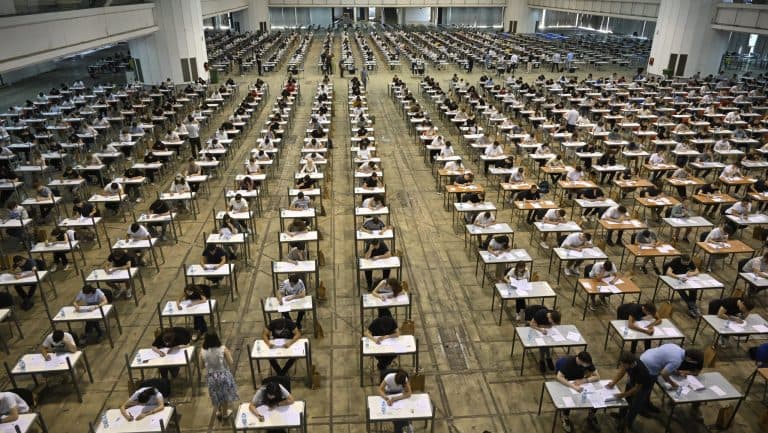
Danas reports that Serbia's government is expected to adopt state-funded enrollment quotas for public higher-education institutions at its Thursday, July 2 session. According to the paper's sources, faculty-proposed quotas will not change, but the decision is unusually late: it is normally adopted in May, while this year's first enrollment round began without an official number of state-funded places.
Danas
Decision on state-funded quotas at the government session on July 2
(Danas saznaje: Odluka o budžetskim kvotama na sednici Vlade 2. jula)
Danas, citing several sources, writes that the government should decide on state-funded quotas for public higher-education institutions at its July 2 session. Faculty-proposed quotas, according to the sources, will not be changed. Authorities have not publicly explained why the decision is so late; unofficially, the delay is linked to status changes at some institutions, including the Faculty of Serbian Studies. Danas notes that the decision is usually adopted in May, while this is the first time the first enrollment round began without information on the number of state-funded places; last year the state tied quotas to faculty operations and make-up classes after blockades.
Read sourceThe Council of Serbia's Competition Commission adopted guidance on applying the law on trade practices in supply chains for agricultural, food, and strategically important goods. The document takes effect on July 4 and describes a blacklist of always-banned practices, a gray list of conditionally allowed practices, and a ban on commercial retaliation against suppliers; payment terms must not exceed 30 days for perishable goods and 60 days for other goods.
Commission for Protection of Competition
Commission adopted guidance further regulating unfair trade practices
(Komisija donela Uputstvo kojim se bliže uređuju nepoštene trgovačke prakse)
The Competition Commission says its Council adopted guidance on how the commission will assess unfair trade practices from the law's Article 6 blacklist, Article 7 gray list, and prohibited commercial retaliation. The document aims to unify application of the law for certain product types and support fair, transparent, predictable relations in supply chains for agricultural, food, and strategically important goods. The guidance takes effect on July 4, 2026, eight days after publication in the Official Gazette.
Read sourceDanas
Stricter rules for traders: no more late payments, order cancellations, or hidden costs
(Stižu stroža pravila za trgovce: Nema više kašnjenja plaćanja, otkazivanja porudžbina i skrivenih troškova)
Danas, citing eKapija, writes that the guidance bars buyers from agreeing or making payment for perishable agricultural and food products later than 30 days after the delivery period ends or an invoice is issued; for other products, the maximum is 60 days. Those deadlines cannot be extended even with supplier consent. Buyers are also barred from cancelling orders for perishable goods less than 30 days before agreed delivery except in force-majeure cases, and unilateral changes to delivery terms, quantities, price, or payment method require the supplier's written consent. A reduction of orders of more than 20% compared with average monthly or contracted quantities will be treated as significant if it seriously affects production planning.
Read sourceContext
Long-running stories with updates
Stories
NIS and sanctions
NIS is Serbia's key oil company and the operator of the Pancevo refinery. This story follows how sanctions against the Russian stake in the company affect fuel supplies, Serbia's talks with MOL, Gazprom Neft, and the United States, and control over strategic infrastructure.
- On June 11, 2026, minister Dubravka Djedovic Handanovic said Serbia and MOL had agreed on the shareholder framework around NIS.
- The next step is an agreement between Gazprom Neft and MOL, followed by approval from the US administration.
- Before the current OFAC license expired on June 16, 2026, NIS requested a new special license.
- If Gazprom Neft sells 56.15 percent of NIS to MOL and OFAC approves the transaction, Serbia is supposed to buy another five percent of the shares.
- With that extra five percent, Serbia's stake would rise to roughly 35 percent, while MOL would remain the controlling owner with 51.15 percent.
- According to the minister, the Hungarian side has undertaken to keep the Pancevo refinery running at least around the average annual level of the four years before sanctions.
- By evening, N1 and Danas added expert framing: without changing NIS's statute, the extra five percent does not give Serbia new control, and the question remains dependent on Gazprom Neft, MOL, and OFAC.
- On June 12, Forbes/N1 added a check on an alternative Serbian buyer: Ranko Mimovic's company, tied to Reuters' report of a EUR 2 billion offer for NIS, had six account blocks over tax rulings in half a year and received a first court dispute for RSD 98,496.
- On June 13, 021/RTS carried Jelica Putnikovic's assessment: the next key fork is Tuesday, June 16, when existing NIS licenses expire, while the outcome depends on OFAC, concrete contracts, and guarantees for the Pancevo refinery.
- On June 16, the Energy Ministry and MOL signed a shareholder agreement: it takes effect only if MOL reaches a deal with Gazprom Neft to buy 56.15 percent of NIS and OFAC approves the transaction.
- Under the agreement Serbia is to buy an additional five percent of the shares, the Pancevo refinery should operate for at least 10 years at capacity comparable to the four years before US sanctions, and Petrohemija should avoid disruption.
- Aleksandar Vucic said from Tbilisi that, based on information he was receiving from Washington, NIS's operating license may be extended for another 15 days, but this had not been officially confirmed at the moment of his statement.
- On June 19, Dubravka Djedovic Handanovic said the Serbian side had completed its part of the talks with MOL, and that the next practical step is a Gazprom Neft-MOL agreement acceptable to OFAC.
- On June 23, 021 reported that OFAC extended NIS's operating license and MOL's license for talks on buying the Russian stake until July 1; the previous licenses had been valid until June 16.
- On June 30, Danas reported that two OFAC licenses expire on July 1: the operating license for importing oil via JANAF and the license for Gazprom Neft-MOL talks on the Russian stake; NIS filed a new request several days before the deadline.
- Danas sources split in their assessment: one points to the risk of sanctions and NIS exclusion from SWIFT, another expects a new delay, while Serbia's authorities told the IMF they are preparing executive and legal measures if Gazprom Neft-MOL talks fail.
Timeline
How the story developed
Serbia privatized NIS and the controlling stake moved to the Russian side. From that point on, ownership in NIS became not only a business question but also part of Serbia's relations with Russia, the EU, and the United States.
US sanctions against NIS became a practical threat to the company's operations and required special OFAC licenses so that NIS could continue operating while a solution on ownership was being sought.
MOL and Gazprom Neft announced a preliminary framework for the purchase of 56.15 percent of NIS, but the transaction remained dependent on OFAC, regulatory approvals, and a final sale contract.
Serbia and MOL announced a compromise on the shareholder agreement: Serbia gets additional governance rights, the Pancevo refinery is supposed to keep operating, and the key immediate deadline remains June 16, 2026. Later the minister clarified that Serbia had completed its part, but the deal now depends on Gazprom Neft, MOL, and the United States; evening N1 and Danas items stressed that without a statute change, the extra five percent of shares is not the same as control.
Forbes/N1 checked Ranko Mimovic's company, which Reuters had linked on May 6 to a EUR 2 billion offer to buy NIS. KFT Senator Treasury G.T.7 Dva had its account blocked six times in half a year at the Tax Administration's initiative, and on May 28 a first court dispute for RSD 98,496 was opened against it; this deepened doubts around alternative Serbian offers for NIS.
021, citing RTS, carried Jelica Putnikovic's assessment that the key decision is expected on Tuesday, June 16, when existing NIS licenses expire. She tied the outcome to OFAC consent, concrete contracts, possible governance changes, and the future of the Pancevo refinery.
Serbia and MOL signed a shareholder agreement on the future management of NIS. It depends on MOL's final deal with Gazprom Neft for 56.15 percent of NIS and OFAC approval; the same day Vucic said he expects the NIS license to be extended by 15 days.
Dubravka Djedovic Handanovic said that after the agreement with MOL, the Serbian side has completed its part of the talks, while the final NIS sale now depends on Gazprom Neft, MOL, and whether the solution is acceptable to OFAC.
021 reported that OFAC extended NIS's operating license and MOL's license for negotiations on buying the Russian stake until July 1, temporarily preserving the company's operations and oil refining after the previous June 16 deadline.
Danas reported that on July 1 NIS's operating license for importing oil via JANAF and the Gazprom Neft-MOL negotiation license expire; NIS filed a new request, while Serbia's authorities told the IMF they have fallback executive and legal measures if talks fail.
This is the latest published issue.