Topic

Climate and Environment

Weather, heat, storms, environmental risks, and their practical effects.

Updated: June 24, 2026 at 02:05 PMCards in topic: 63Issues with this topic: 39Page 11 / 11from June 23, 2026 to June 24, 2026

Topic feed

Cards from every issue

61-63 / 63
June 24, 202610:12 AM

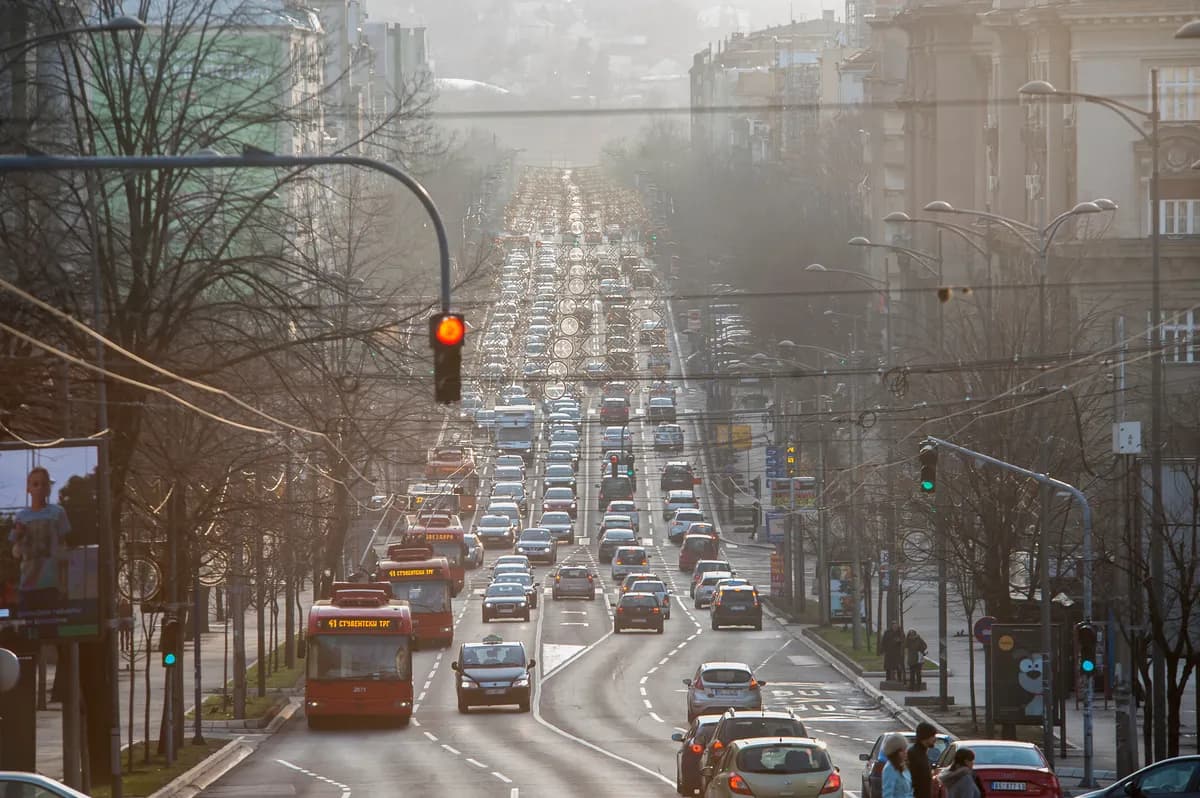
Serbia ranks second in the region for coal-plant pollution, Bankwatch says

Published: June 24, 2026 at 08:07 AM. Updated: June 24, 2026 at 08:07 AM.

According to Bankwatch data carried by 021, coal-fired power plants in Serbia, Bosnia and Herzegovina, Kosovo, and North Macedonia emitted 6.6 times more pollution than permitted in 2025. Serbia ranked second for SO2: 177,756 tonnes, or 5.1 times the allowed amount. The report also says regional dust pollution was 2.9 times above the limit and identifies TENT B as Serbia's largest NOx source at 11,247 tonnes; since January 2026, the CBAM mechanism has increased the cost of electricity exports to the EU.

RERI: Serbian stations measured PM2.5 exceedances for an average of 104 days in 2025

Published: June 24, 2026 at 02:05 PM. Updated: June 24, 2026 at 02:05 PM.

RERI published its 2025 air-quality analysis: all 97 Serbian stations with sufficiently reliable data recorded exceedances of the European standard, and PM2.5 exceedances averaged 104 days. The organization notes that the government's own program links air pollution to nearly 10,000 premature deaths per year and criticizes delays in measures on imported vehicles, industrial emissions, and permits for polluters.

June 23, 202609:06 PM

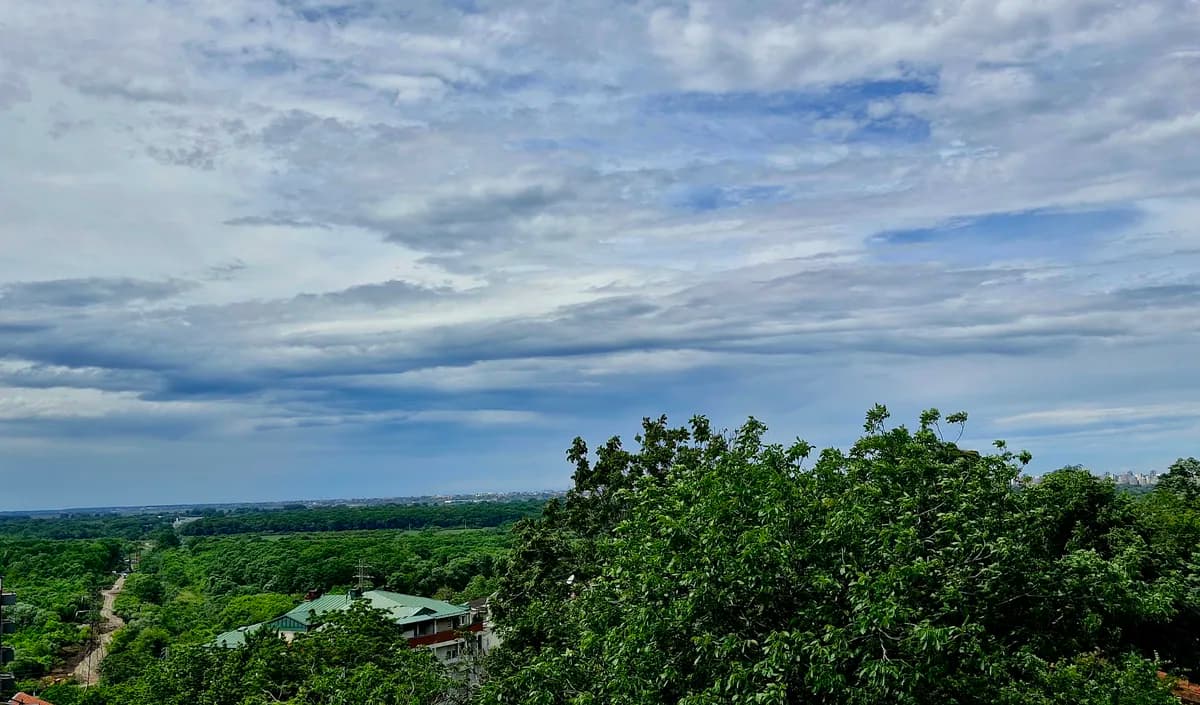
RHMZ warns of showers and hail through June 25 as heat already raises ambulance calls

Published: June 23, 2026 at 11:56 AM. Updated: June 23, 2026 at 11:56 AM.

N1 carries an RHMZ warning: on June 23 Serbia can expect showers and thunderstorms, locally stronger around midday and afternoon, with short-lived hail more likely in central, eastern, and southeastern Serbia; local storms and showers are also possible on June 24 and 25. Separately, Dr Ivana Stefanovic of Belgrade emergency services told N1 that a tropical night with temperatures above 20 degrees increased calls, especially from cardiovascular patients.