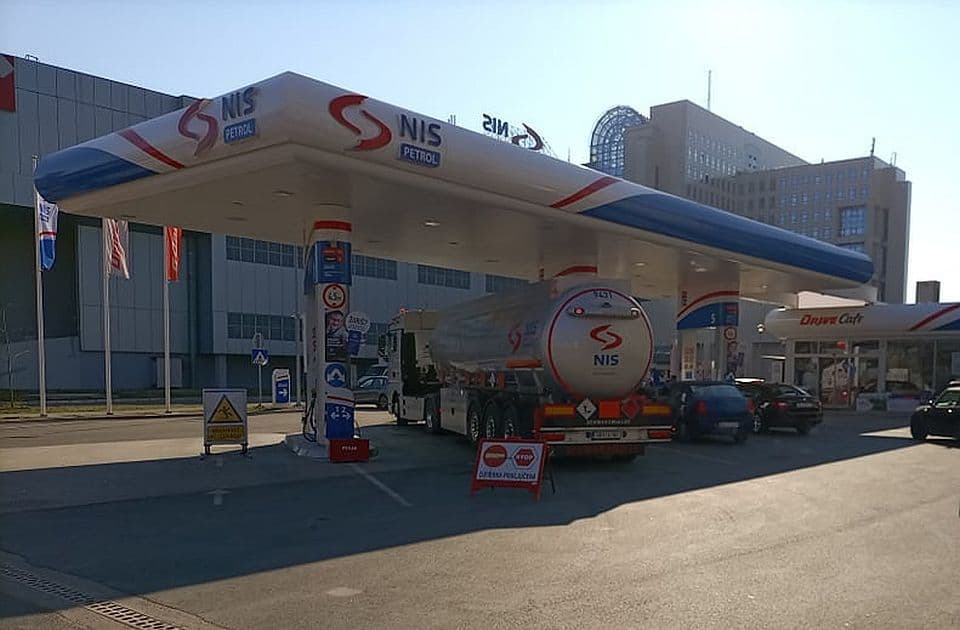
Government proposes removing the cap on fuel-excise reductions
Serbia's government proposes removing the existing limit that allows fuel excise to be cut by no more than 20%. This is still a draft law, not a new reduction in petrol or diesel prices.
Topic
Fuel, oil, gas, sanctions, and decisions that affect energy security.
Topic feed
Serbia's government proposes removing the existing limit that allows fuel excise to be cut by no more than 20%. This is still a draft law, not a new reduction in petrol or diesel prices.
From 15:00 on 31 July, Serbia's maximum price is 226 dinars per litre for euro diesel and 202 dinars for Evro premijum BMB petrol. Both prices rose by two dinars and apply until 15:00 on 7 August; the temporary reduced excise rates were separately extended through 9 August.
The Energy Ministry says Serbia's partnership with EDF and the French Development Agency will support staffing and studies for a nuclear programme. Minister Dubravka Đedović Handanović said the studies are due by mid-2027 to inform a later decision, while a first plant would only be possible after 2040.
NIS says it has started trial operation of small gas power plants at the Banatsko Miloševo and Srpska Crnja fields. Investment totals about RSD 2 billion, installed capacity is 5 MW, and expected annual output is 40.5 GWh—comparable, the company says, to the consumption of nearly 8,000 average households.
NIS has filed a new US Treasury request for an operating license. Its current OFAC license and MOL's negotiation permission expire on 31 July; no decision on the new request has been announced.
Serbia's Finance Ministry is preparing a draft allowing temporary excise cuts above 20% when oil prices rise. It is under consultation, not in force; the current 20% reduction runs through 2 August.