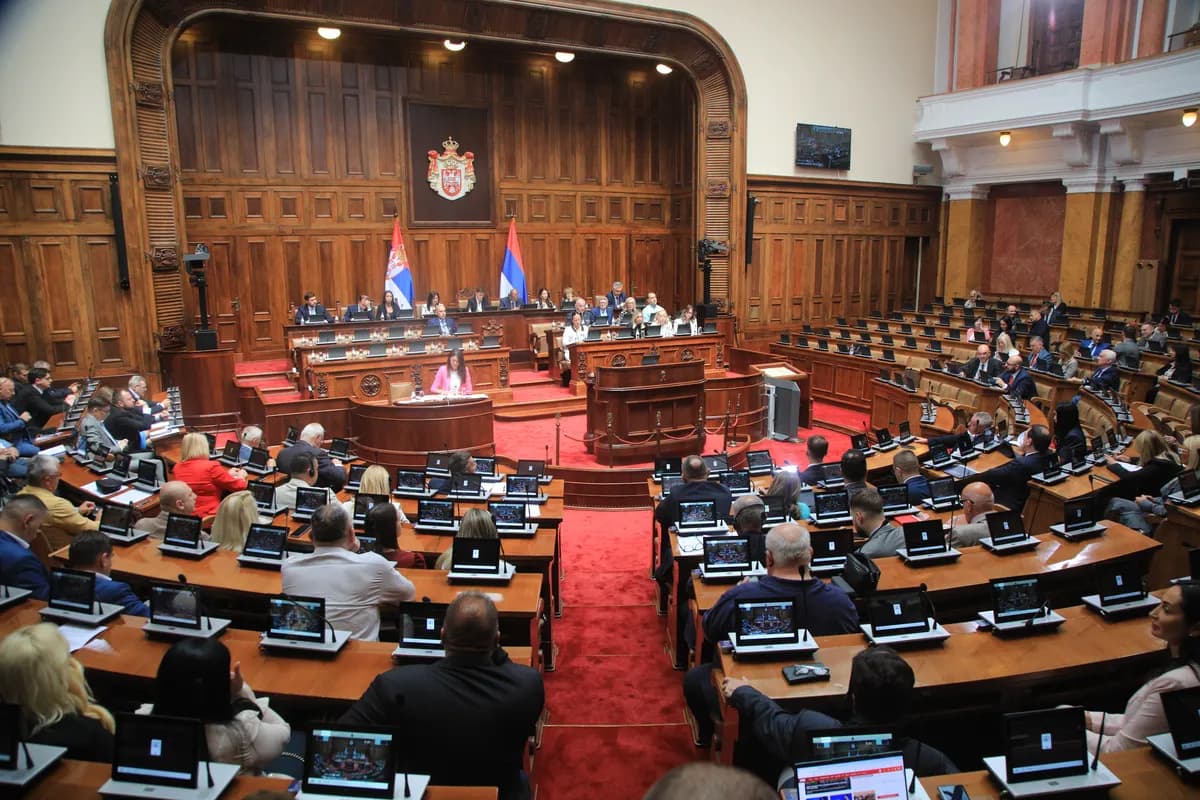
The parent-caregiver law is heading to parliament, but families are already warning about gaps
N1 reports that the draft law on parent-caregiver status is reaching a vote for the first time after 13 years of waiting. The proposal introduces a 65,000-dinar payment and social contributions, but parents warn that families without the required disability category, retired parents, and some relatives would be left out, while leave, sick leave, and respite-care questions remain unresolved.

What matters
What it introduces
The draft law sets a monthly payment of 65,000 dinars and social contributions for parent-caregivers.
Who may be excluded
Critics say support would reach only unemployed parents of children with a higher disability category and enhanced care allowance status.
What remains open
Families separately raise leave, sick leave, respite-care, pension status after age 65, and which relatives would be allowed to obtain the status.
Breakdown by publication
How sources frame this story
Mobile shows the first 1; the full breakdown is available on desktop.
N1: parent-caregivers waited 13 years for the law and now warn about gaps
N1 reports that the draft law on parent-caregivers is going to parliament with a 65,000-dinar payment and social contributions, which parents describe as the first recognition of their unpaid work. At the same time, Ana Knezevic of the Evo ruka movement and Ana Lakic warn that eligibility is tied to a formal disability category and enhanced care allowance, which could leave some families, retired parents, and some relatives outside the scheme. The article also lists unresolved questions around leave, sick leave, respite care, pensions, and inheritance.
Overall takeaway
After 13 years of waiting, Serbia is nearing its first formal parent-caregiver framework, but the debate is already less about whether a law is needed and more about whom it still leaves outside.
What this means for residents
For families
Even if the law passes, some families may still need separate legal or medical recognition just to qualify under the proposal's criteria.
For the parliamentary vote
Today's agenda shows the issue has reached the legislative stage, but N1's report does not indicate that families' main objections have been resolved.