
Published: June 19, 2026 at 08:12 AM
Updated: June 19, 2026 at 08:12 AM
Card
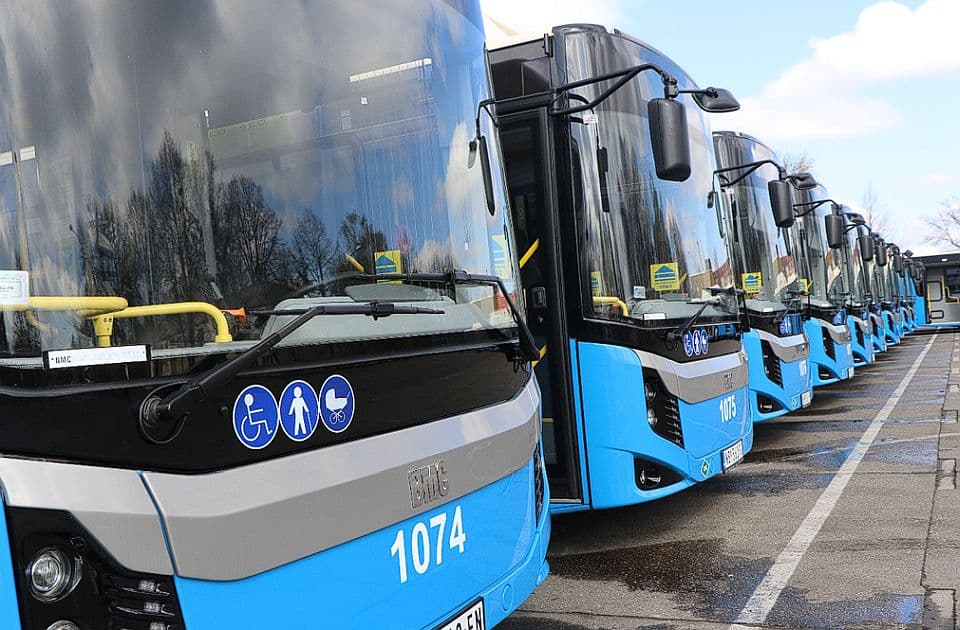
021 writes that the 2019 Smart Plan promised to overhaul Novi Sad transport but has been only partly fulfilled seven years later: JGSP received 100 CNG buses and 10 electric buses, while director Milan Balac says another 30-50 vehicles are needed. The city does not plan extra bus lanes because of parking and costs, ridership fell by 2.448 million passengers in 2025, and a new intelligent-transport strategy is expected by the end of 2026.
Published: June 19, 2026 at 08:12 AM
Updated: June 19, 2026 at 08:12 AM
This card belongs to the issue for June 19, 2026.
Open issueNo separate context story has been assigned to this card yet.
This card has a linked reference note.
Sources
Coverage: Novi Sad / City services, Transport, Urbanism, Environment, Civic initiatives
(Kako je Smart Plan mogao da promeni javni prevoz u Novom Sadu, ali nije)
021 analyzes Smart Plan, published in 2019 as the second phase of Novi Sad mobility improvements: it proposed buying modern buses, introducing tram service, adding bus lanes, and creating a passenger-information system. The ecological part of fleet renewal has largely been delivered: since 2019 JGSP has received 100 CNG buses and 10 electric solo buses, but director Milan Balac says the company still needs 30-50 more vehicles, including a plan for 30 solo buses in 2026 and up to 30 more the following year. On fares, the zone count was reduced from five to four, rather than the recommended two or three, and JGSP's price list still has 12 different single-ticket prices. Bus lanes on Bulevar oslobodjenja, Jevrejska Street, part of Bulevar Mihajla Pupina, and Futoska are not currently planned: the city administration cites street parking and high infrastructure costs. In 2025, JGSP carried just over 56.734 million passengers, 2.448 million fewer than a year earlier; officials are also considering a public-private partnership and preparing a new intelligent-transport-systems strategy expected by the end of 2026.
Read source