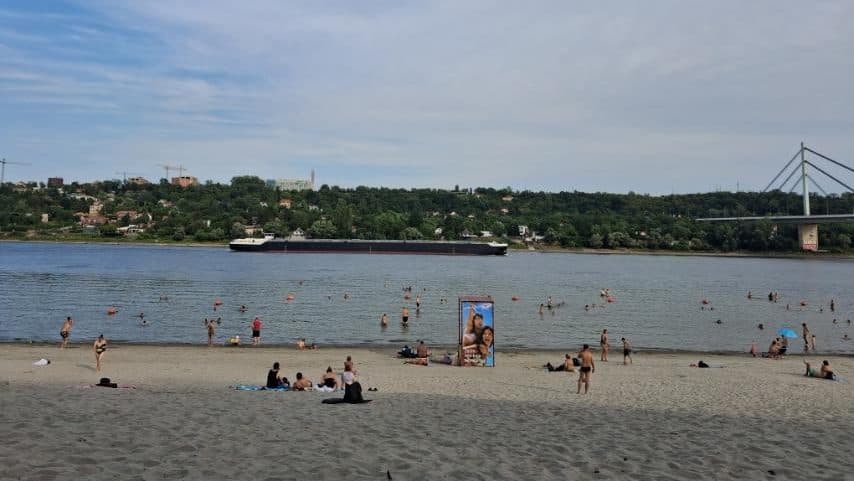
Emergency headquarters reviews historically low Danube levels
On July 28, the Republic Emergency Situations Headquarters reviewed a critical hydrological situation caused by historically low Danube levels. It recommended that Vode Vojvodine, Srbijavode and other bodies continue measures for the Danube–Tisa–Danube system and stable water supply, while intensifying monitoring of effects on energy and navigation.

What matters
Cross-agency coordination
The Headquarters reviewed the critical hydrological situation and called for continuous monitoring and coordinated action by institutions.
Water and canals
Vode Vojvodine, Srbijavode and other bodies are to continue measures for the Danube–Tisa–Danube hydrosystem and stable water supply for its users.
What will be monitored
The Headquarters named the energy system, navigation and hydrological conditions for monitoring; it announced no new restrictions for residents.
Breakdown by publication
How sources frame this story
Mobile shows the first 1; the full breakdown is available on desktop.
N1: emergency headquarters on record-low Danube
Citing the post-session statement, N1 reports that the Headquarters reviewed the critical hydrological situation, recommended that Vode Vojvodine and Srbijavode continue Danube–Tisa–Danube measures, and ordered closer monitoring of effects on energy, navigation and hydrology.
Overall takeaway
The state has moved to cross-agency coordination of the low-Danube consequences; this is not yet an announcement of household restrictions, but it signals risks to water systems, energy and navigation.
What this means for residents
No restrictions yet
The Headquarters describes measures and intensified monitoring but announces no new water, electricity or travel restrictions for residents.
Why monitoring matters
Low water already affects power generation and river logistics; the new coordination addresses the consequences rather than resolving them.