
An average of six landfills burn daily in Serbia
Citing MUP data and UNEP research, N1 reports 2,217 Serbian landfill fires in 2025, about six daily. The report notes toxic organic-pollutant risks from smouldering waste.
Topic
Weather, heat, storms, environmental risks, and their practical effects.
Topic feed
Citing MUP data and UNEP research, N1 reports 2,217 Serbian landfill fires in 2025, about six daily. The report notes toxic organic-pollutant risks from smouldering waste.
N1 and Danas report warm, mostly dry weather in Serbia on July 28, with highs up to 33°C. Citing RHMZ and meteorologist Slobodan Sovilj, Kurir says 34–38°C is expected from July 29 and temperatures may locally reach around 40°C in early August.
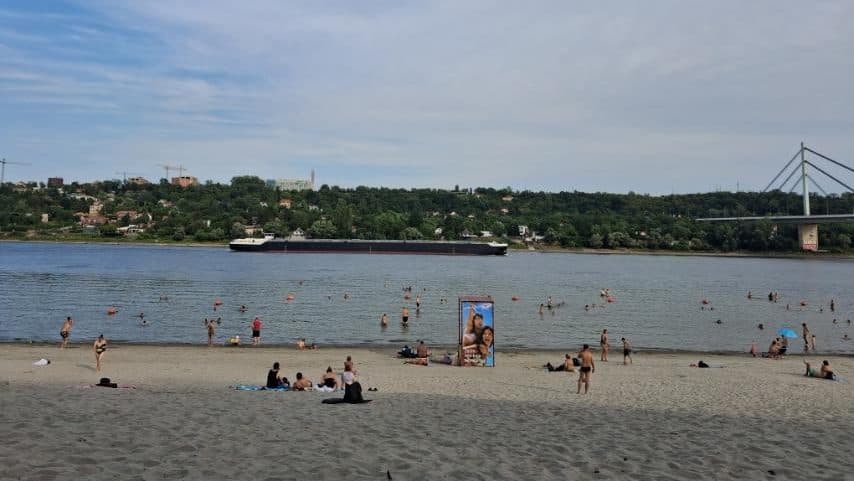
Low Danube levels and high temperatures have placed water across most of Štrand beach in the fourth quality class, according to beach operator Gradsko zelenilo. Swimming is not banned: microbiological parameters remain within permitted limits, but visitors are advised to shower after leaving the water.
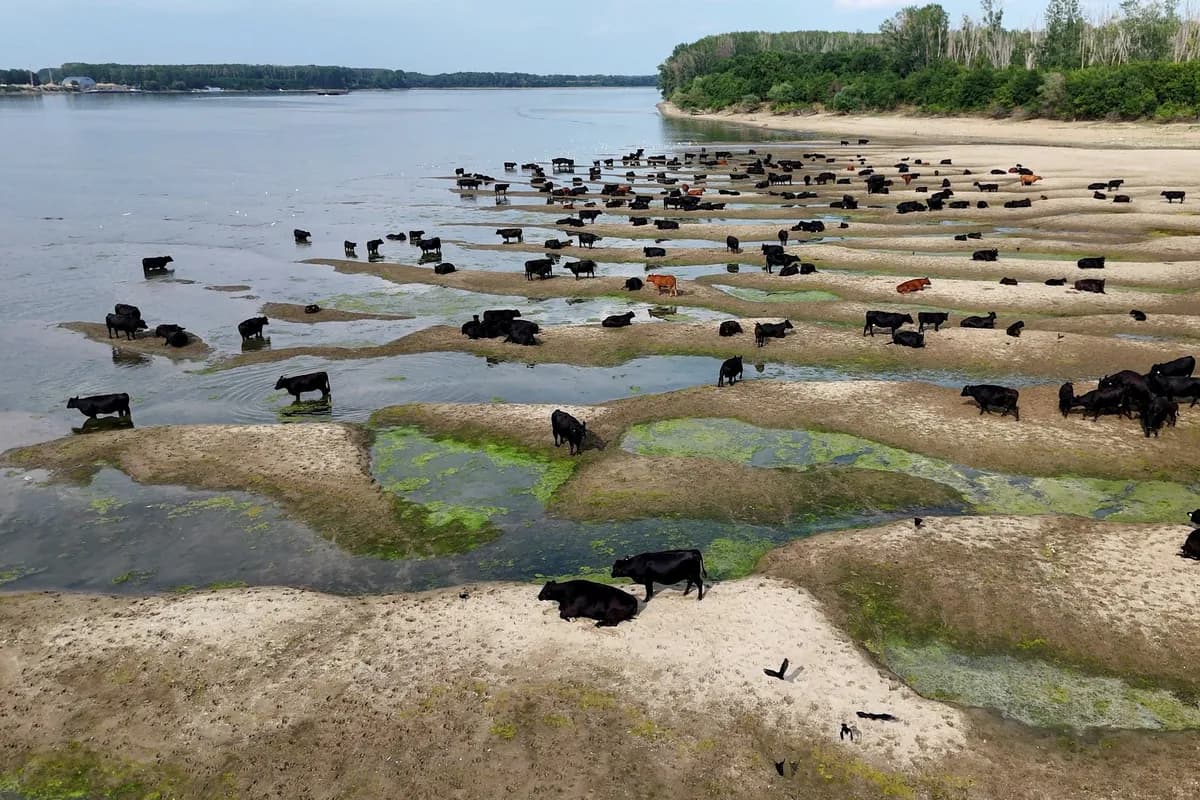
On July 28, the Republic Emergency Situations Headquarters reviewed a critical hydrological situation caused by historically low Danube levels. It recommended that Vode Vojvodine, Srbijavode and other bodies continue measures for the Danube–Tisa–Danube system and stable water supply, while intensifying monitoring of effects on energy and navigation.
Žabalj held a protest on July 26 against a planned waste-tyre recycling plant. N1 reports that the facility would have capacity of up to 72 tonnes a day and that its industrial-zone site is about 800 metres from the nearest homes; residents demand that the project be moved or cancelled.
On the Bezdan–Bogojevo stretch, the Danube fell to minus 120 cm. N1 reports that Đerdap 1 output has dropped to one third; EPS says electricity supply will remain stable, but shallow water is already hampering shipping and fuel deliveries.