
After first-round admissions, 15 Belgrade faculties still have places
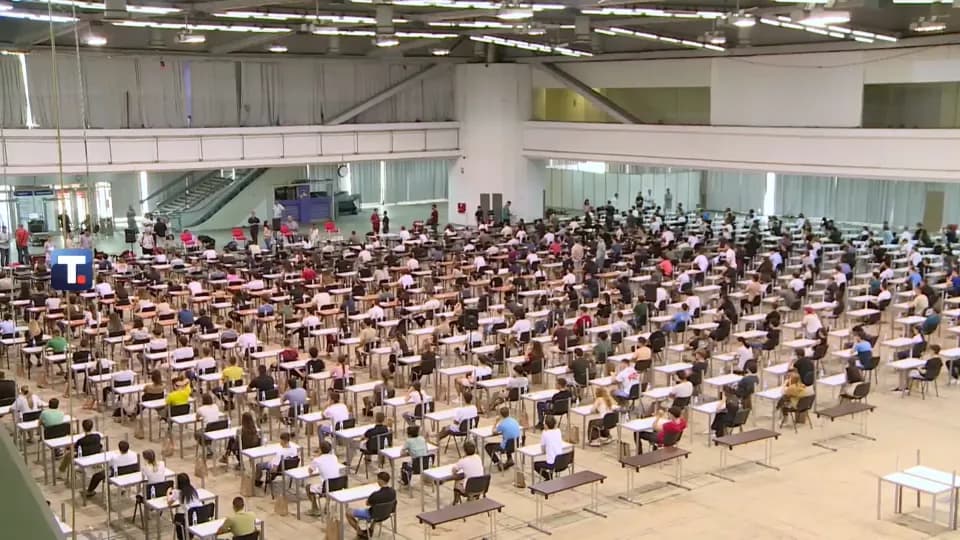
After the first admissions round, all state-funded and self-funded places are filled at 16 University of Belgrade faculties, while 15 others still have places for later rounds. The largest gaps are at the Faculty of Philology, Faculty of Agriculture, Faculty of Mining and Geology, and Faculty of Geography; 771 candidates filed documents for 1,393 planned places at Philology, and 257 competed for 790 places at Agriculture.
What matters
What is filled
At 16 faculties, both state-funded and self-funded places are filled.
Where places remain
Places for later rounds remain at 15 faculties, including Philology, Agriculture, Mining and Geology, and Geography.
Largest gap
At Philology, 771 candidates filed documents for 1,393 planned places; at Agriculture, 257 applied for 790 places.
Breakdown by publication
How sources frame this story
Mobile shows the first 1; the full breakdown is available on desktop.
N1: places remain at half of the faculties after first round
Citing University of Belgrade data, N1 reports that 16 faculties filled all state-funded and self-funded places while 15 retain vacancies. It gives figures for Philology (771 applications for 1,393 places), Agriculture (257 for 790), and open places at Mathematics, Forestry, Physical Chemistry, Geography, Mining and Geology, and Orthodox Theology.
Overall takeaway
The first admissions round filled places at 16 faculties, but 15 still offer options for later rounds, especially in social-science and natural-science fields.
What this means for residents
Later rounds
Applicants not admitted in the first round can look to the 15 faculties that still have places.
Competition
The strongest demand remains in economics, organizational sciences, medicine, electrical engineering, and architecture, while more places remain in social-science and natural-science faculties.